
Comparing Kafka Management Tools in 2026
Most organisations running Kafka in production end up needing a management tool on top of it. The question is which one. This guide compares the main options available today.
The Kafka Operations Challenge
Kafka powers real-time data pipelines across most large organisations at this point, but operating Kafka clusters day-to-day involves a lot of moving parts:
- Cluster Health Monitoring: Tracking broker status, partition distribution, and replication lag
- Consumer Group Management: Monitoring consumer lag, rebalancing, and offset management
- Schema Evolution: Managing schema compatibility and versioning across services
- Connector Operations: Deploying, monitoring, and troubleshooting Kafka Connect pipelines
- Security & Compliance: Implementing RBAC, auditing, and regulatory compliance
- Multi-Cluster Management: Operating across development, staging, and production environments
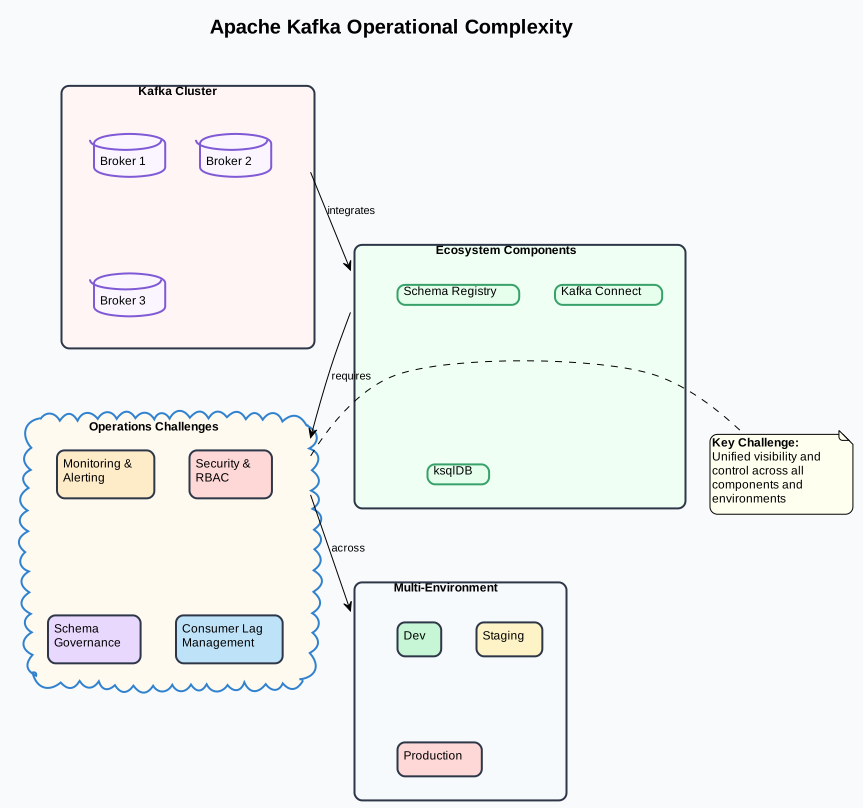
Without proper tooling, you end up with fragmented visibility, manual configuration management, gaps in access control and auditing, and slow incident response.
What to Look for in a Kafka Management Tool
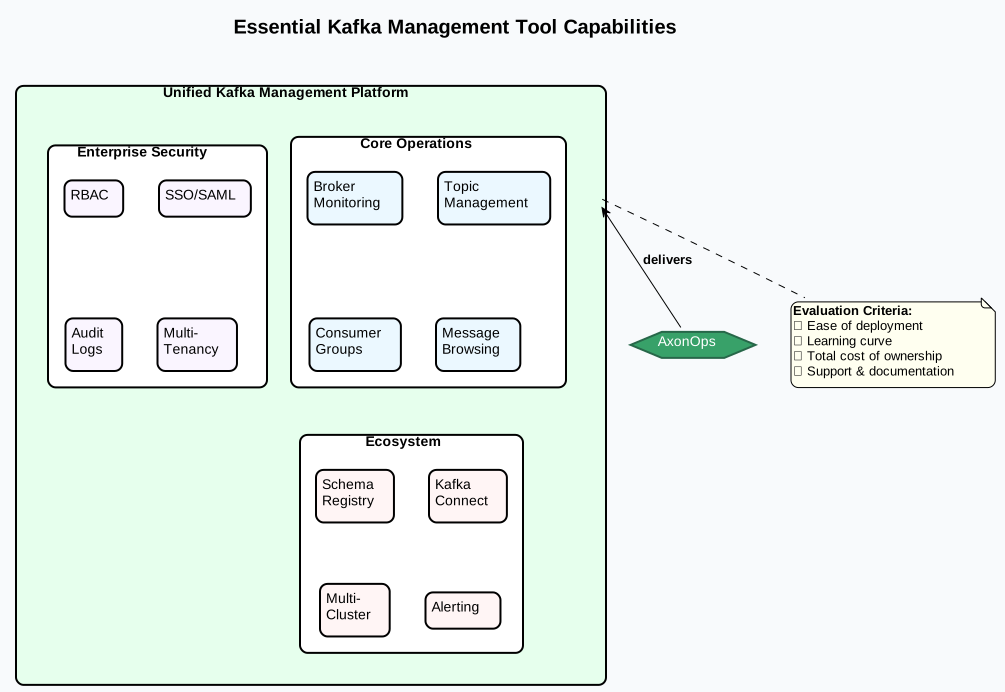
Core Operations
- Broker Management: Health monitoring, configuration, rolling restarts
- Topic Management: Creation, configuration, partition management
- Consumer Group Visibility: Lag monitoring, offset management, member tracking
- Message Browsing: Inspect messages with proper deserialization
Enterprise Requirements
- Role-Based Access Control (RBAC): Granular permissions by team, environment, or resource
- Single Sign-On (SSO): SAML 2.0, OIDC, LDAP integration
- Audit Logging: Complete audit trail for compliance
- Multi-Tenancy: Isolation between teams and projects
Ecosystem Integration
- Schema Registry: Schema management, compatibility enforcement, evolution tracking
- Kafka Connect: Connector deployment, monitoring, and troubleshooting
- Multi-Cluster: Centralized management across environments
Tool Overview
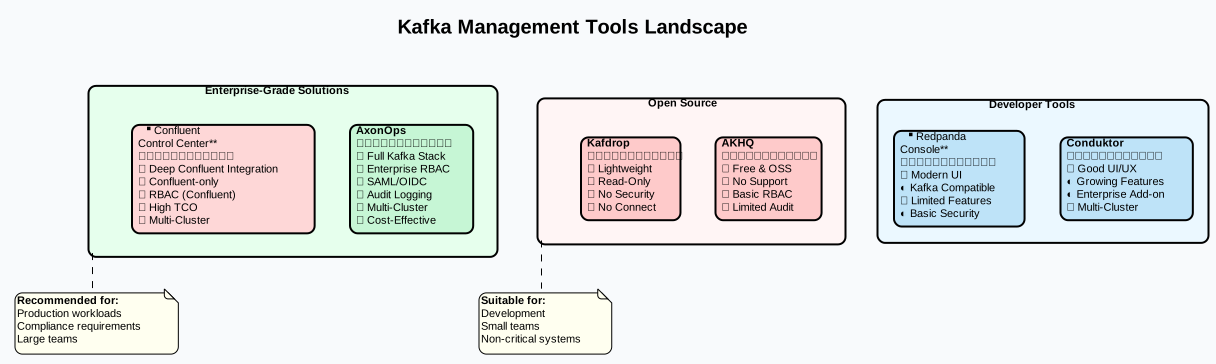
AxonOps
AxonOps is a unified operations platform for Apache Kafka that covers monitoring, management, and governance in a single interface.
What sets it apart:
- Works with any Kafka: Apache Kafka, AWS MSK, Confluent, Aiven, Instaclustr, self-managed
- High-resolution metrics: 5-second granularity for real-time visibility
- Centralized log collection: Aggregate and analyze logs across your Kafka estate
- Rich alerting integrations: PagerDuty, Slack, Microsoft Teams, ServiceNow, Email, Webhooks
- Service health checks: Custom checks to monitor Kafka ecosystem health
- Flexible deployment: Both SaaS and Self-Hosted options available
- Enterprise-grade RBAC with SAML/OIDC integration
- Comprehensive audit logging for compliance
- Automated partition balancing (coming soon)
- Unified platform for Kafka, Schema Registry, and Connect
- Cost-effective per-cluster licensing model
Confluent Control Center
Confluent’s commercial management interface, designed for their Confluent Platform distribution. Deep integration with the Confluent ecosystem, but tightly coupled to it.
Considerations:
- Tightly coupled to Confluent Platform
- Requires Confluent Platform license
- Higher total cost of ownership
- Complex deployment requirements
Conduktor
A desktop and web-based Kafka management tool focused on developer experience and team collaboration.
Considerations:
- Separate licensing for different features
- Growing feature set
- Desktop app heritage shows in architecture
AKHQ (Formerly KafkaHQ)
An open-source Kafka GUI with basic management capabilities for Kafka clusters, Schema Registry, and Kafka Connect.
Considerations:
- Open-source with community support
- Limited enterprise features
- No commercial support option
- Basic RBAC capabilities
Redpanda Console
The web-based UI for Redpanda (formerly Kowl), which also supports Apache Kafka clusters.
Considerations:
- Primarily designed for Redpanda
- Modern UI/UX
- Limited Schema Registry support
- Growing feature set
Feature Comparison
Core Kafka Management Features
Kafka Cluster Management Capabilities
| Feature | AxonOps Enterprise | Confluent Control Center Commercial | Conduktor Commercial | AKHQ OSS | Redpanda Console OSS |
|---|---|---|---|---|---|
| Supported Kafka Distributions | Apache Kafka, Confluent, Strimzi | Confluent Platform only | Apache Kafka, MSK, Confluent, any | Apache Kafka, any distribution | Redpanda, Apache Kafka |
| Broker Health Monitoring | ✓ Full | ✓ Full | ✓ Full | ◐ Basic | ◐ Basic |
| Topic Management | ✓ Full CRUD | ✓ Full CRUD | ✓ Full CRUD | ✓ Full CRUD | ✓ Full CRUD |
| Partition Management | ✓ Full | ✓ Full | ✓ Full | ◐ Limited | ◐ Limited |
| Consumer Group Management | ✓ Full | ✓ Full | ✓ Full | ✓ Full | ✓ Full |
| Consumer Lag Monitoring | ✓ Real-time | ✓ Real-time | ✓ Real-time | ◐ Polling | ✓ Real-time |
| Message Browser | ✓ Advanced | ✓ Advanced | ✓ Advanced | ✓ Good | ✓ Good |
| Offset Reset | ✓ Full | ✓ Full | ✓ Full | ✓ Full | ◐ Limited |
| ACL Management | ✓ Full | ✓ Full | ✓ Full | ◐ View Only | ◐ View Only |
| Multi-Cluster Support | ✓ Unified View | ◐ Per Cluster | ✓ Unified View | ✓ Config-based | ◐ Limited |
| Metrics Resolution | ✓ 5-second high-resolution | ◐ 1 minute | ◐ 1 minute | ✗ No metrics storage | ✗ No metrics storage |
| Log Collection & Analysis | ✓ Built-in aggregation | ◐ Via Confluent | ✗ No | ✗ No | ✗ No |
| Alerting & Notifications | ✓ PagerDuty, Slack, Teams, ServiceNow, Email, Webhook | ✓ Built-in | ◐ Basic | ✗ None | ✗ None |
| Service Health Checks | ✓ Custom checks | ◐ Limited | ✗ No | ✗ No | ✗ No |
| Automated Partition Balancing | ✓ Coming Soon | ✓ Self-Balancing Clusters | ✗ No | ✗ No | ✗ No |
Enterprise Security & Compliance
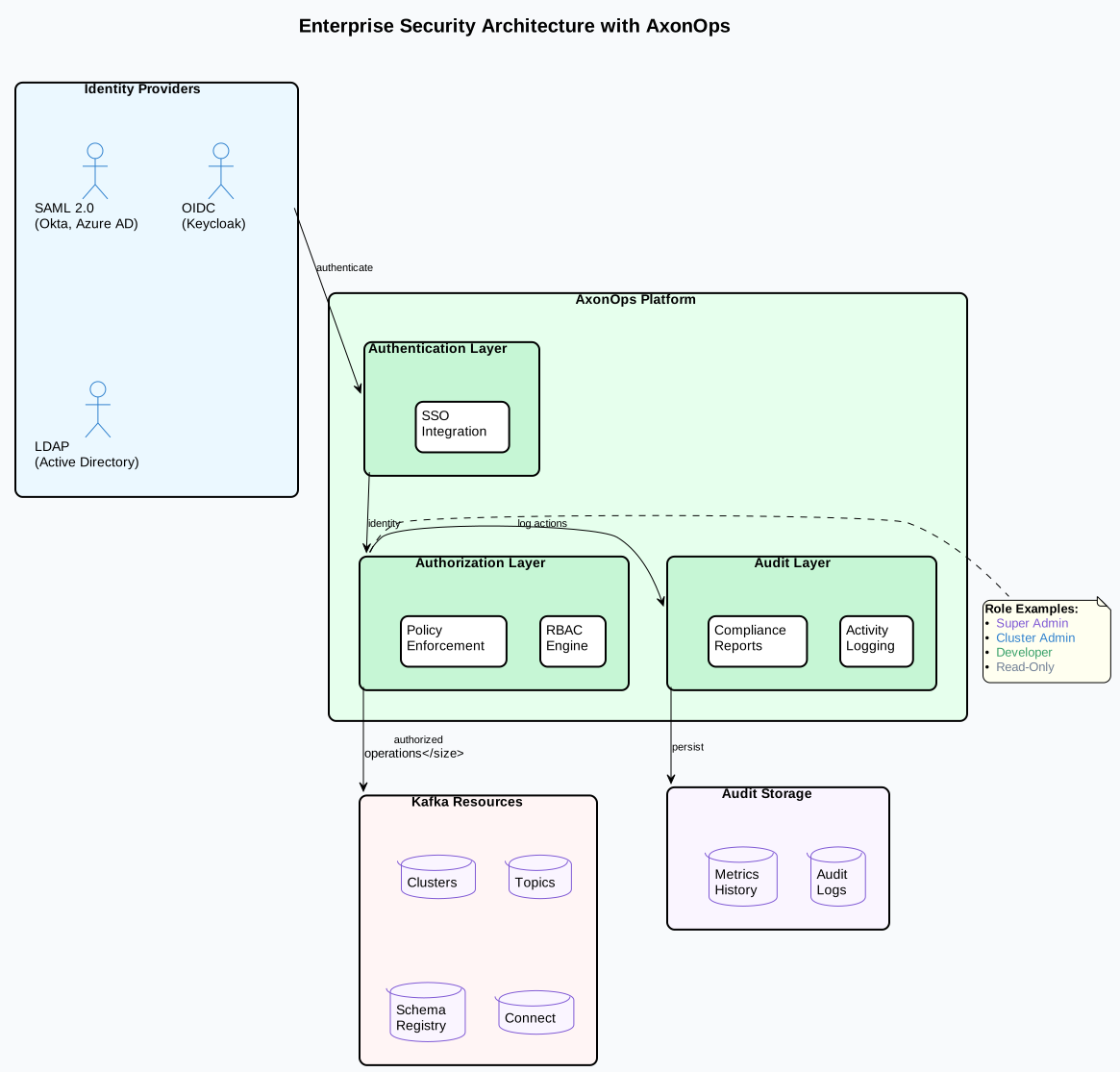
Enterprise Security & Compliance Features
| Security Feature | AxonOps | Confluent Control Center | Conduktor | AKHQ | Redpanda Console |
|---|---|---|---|---|---|
| SAML 2.0 SSO | ✓ Native | ✓ Via Confluent | ✓ Enterprise | ✗ No | ◐ Enterprise |
| OIDC Support | ✓ Native | ✓ Via Confluent | ✓ Enterprise | ✓ Basic | ✓ Yes |
| LDAP Integration | ✓ Full | ✓ Full | ◐ Limited | ◐ Basic | ✗ No |
| Role-Based Access Control | ✓ Granular | ✓ Confluent RBAC | ✓ Good | ◐ Basic Roles | ◐ Basic |
| Resource-Level Permissions | ✓ Full | ✓ Full | ✓ Full | ◐ Limited | ✗ No |
| Team/Group Management | ✓ Full | ✓ Via Confluent | ✓ Full | ✗ No | ◐ Basic |
| Comprehensive Audit Logging | ✓ Full Trail | ✓ Full Trail | ◐ Limited | ✗ No | ✗ No |
| Audit Log Export | ✓ Multiple Formats | ✓ Yes | ◐ Limited | ✗ No | ✗ No |
| Compliance Reports | ✓ Built-in | ◐ Manual | ✗ No | ✗ No | ✗ No |
| Multi-Tenancy | ✓ Native | ◐ Via Confluent | ✓ Yes | ✗ No | ✗ No |
| Data Masking | ✓ Configurable | ◐ Limited | ✓ Yes | ✗ No | ✗ No |
| IP Allowlisting | ✓ Yes | ✓ Yes | ◐ Enterprise | ✗ No | ✗ No |
RBAC Role Examples
AxonOps RBAC Role Capabilities
| Permission | Super Admin | Cluster Admin | Developer | Read-Only |
|---|---|---|---|---|
| View Clusters | ✓ | ✓ | ✓ | ✓ |
| Create/Delete Topics | ✓ | ✓ | ◐ Assigned Only | ✗ |
| Produce Messages | ✓ | ✓ | ✓ | ✗ |
| Manage Consumer Groups | ✓ | ✓ | ◐ Assigned Only | ✗ |
| Manage Connectors | ✓ | ✓ | ◐ Limited | ✗ |
| Manage Schemas | ✓ | ✓ | ✓ | ✗ |
| Manage Users/Roles | ✓ | ✗ | ✗ | ✗ |
| View Audit Logs | ✓ | ✓ | ✗ | ✗ |
| Configure Alerts | ✓ | ✓ | ◐ View Only | ◐ View Only |
Kafka Connect Management
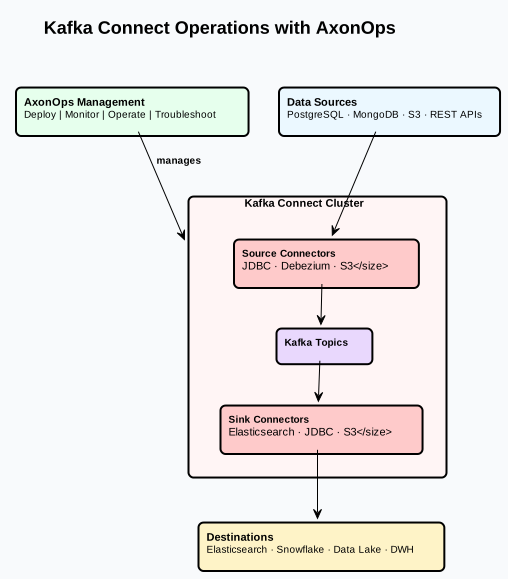
Kafka Connect Management Capabilities
| Connect Feature | AxonOps | Confluent Control Center | Conduktor | AKHQ | Redpanda Console |
|---|---|---|---|---|---|
| Connector Discovery | ✓ Auto-detect | ✓ Auto-detect | ✓ Auto-detect | ✓ Auto-detect | ◐ Manual |
| Connector Deployment | ✓ JSON Editor | ✓ UI Wizard | ✓ UI Wizard | ✓ JSON Editor | ◐ Basic |
| Configuration Validation | ✓ Real-time | ✓ Real-time | ✓ Real-time | ✗ No | ✗ No |
| Task Status Monitoring | ✓ Real-time | ✓ Real-time | ✓ Real-time | ✓ Polling | ◐ Basic |
| Error Log Aggregation | ✓ Centralized | ✓ Centralized | ◐ Limited | ✗ No | ✗ No |
| Connector Metrics | ✓ Comprehensive | ✓ Comprehensive | ◐ Basic | ◐ Basic | ✗ No |
| Task Restart | ✓ One-click | ✓ One-click | ✓ One-click | ✓ One-click | ◐ Limited |
| Connector Pause/Resume | ✓ Full | ✓ Full | ✓ Full | ✓ Full | ◐ Limited |
| Dead Letter Queue Management | ✗ No | ✓ Built-in | ◐ Manual | ✗ No | ✗ No |
| Connector Templates | ✓ Planned | ✓ Hub | ✓ Yes | ✗ No | ✗ No |
Schema Registry Operations
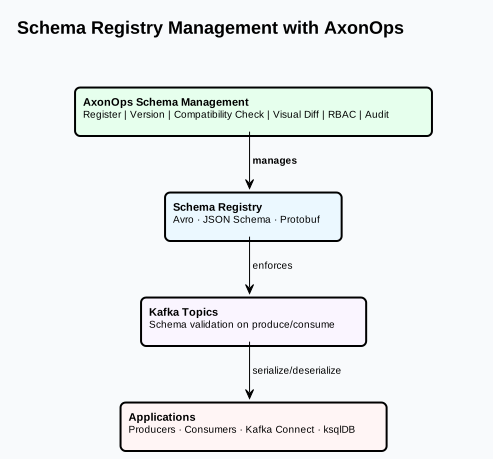
Schema Registry Management Features
| Schema Feature | AxonOps | Confluent Control Center | Conduktor | AKHQ | Redpanda Console |
|---|---|---|---|---|---|
| Schema Browser | ✓ Full | ✓ Full | ✓ Full | ✓ Full | ◐ Basic |
| Avro Support | ✓ Full | ✓ Full | ✓ Full | ✓ Full | ✓ Full |
| JSON Schema Support | ✓ Full | ✓ Full | ✓ Full | ✓ Full | ◐ Limited |
| Protobuf Support | ✓ Full | ✓ Full | ✓ Full | ◐ Limited | ◐ Limited |
| Schema Registration | ✓ UI & API | ✓ UI & API | ✓ UI & API | ✓ UI & API | ◐ API Only |
| Compatibility Testing | ✓ Pre-register | ✓ Pre-register | ✓ Pre-register | ✗ No | ✗ No |
| Version History | ✓ Full Diff | ✓ Full Diff | ✓ Full Diff | ✓ Basic | ◐ Limited |
| Schema Comparison | ✓ Visual Diff | ◐ Basic | ✓ Visual Diff | ✗ No | ✗ No |
| Subject Management | ✓ Full | ✓ Full | ✓ Full | ✓ Full | ◐ Basic |
| Compatibility Mode Config | ✓ Per-Subject | ✓ Per-Subject | ✓ Per-Subject | ◐ Global Only | ◐ Global Only |
| Schema References | ✓ Full Support | ✓ Full Support | ◐ Limited | ✗ No | ✗ No |
| Schema Search | ✓ Full-text | ◐ Basic | ✓ Full-text | ◐ Basic | ✗ No |
Pricing and Licensing
Pricing & Licensing Comparison
| Pricing Aspect | AxonOps | Confluent Control Center | Conduktor | AKHQ | Redpanda Console |
|---|---|---|---|---|---|
| Licensing Model | Per Broker | Per Broker | Per User | Open Source | Open Source / Enterprise |
| Free Tier | ✓ Available | ✗ No | ✓ Limited | ✓ Full (OSS) | ✓ Basic |
| Enterprise Features | ✓ Included | ◐ Add-on Cost | ◐ Enterprise Plan | ✗ Not Available | ◐ Enterprise Plan |
| Schema Registry Mgmt | ✓ Included | ✓ Included | ✓ Included | ✓ Included | ◐ Limited |
| Connect Management | ✓ Included | ✓ Included | ✓ Included | ✓ Included | ◐ Limited |
| Cost at Scale (10 Brokers) | Low | High | Medium | Free | Low |
| Support Included | ✓ Enterprise | ✓ Enterprise | ✓ Paid Plans | ✗ Community | ◐ Enterprise |
| SLA Guarantee | ✓ Yes | ✓ Yes | ◐ Enterprise Only | ✗ No | ◐ Enterprise Only |
| On-Premises Option | ✓ Yes | ✓ Yes | ✓ Yes | ✓ Yes (Self-host) | ✓ Yes |
Total Cost of Ownership
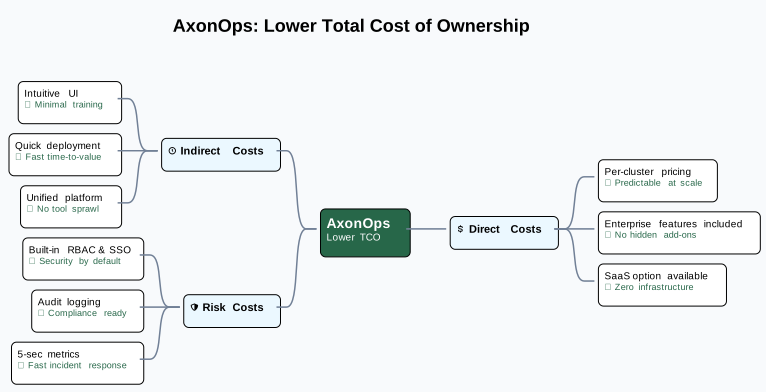
Deployment & Operations
Deployment & Operational Characteristics
| Deployment Aspect | AxonOps | Confluent Control Center | Conduktor | AKHQ | Redpanda Console |
|---|---|---|---|---|---|
| Deployment Model | ✓ SaaS + Self-Hosted | Self-Hosted only | ✓ SaaS + Self-Hosted | Self-Hosted only | Self-Hosted only |
| Deployment Complexity | Low | High | Medium | Low | Low |
| Docker Support | ✓ Official | ✓ Official | ✓ Official | ✓ Official | ✓ Official |
| Kubernetes / Helm | ✓ Helm Chart | ✓ Helm Chart | ✓ Helm Chart | ✓ Helm Chart | ✓ Helm Chart |
| High Availability | ✓ Built-in | ✓ Built-in | ◐ Manual | ◐ Manual | ◐ Manual |
| Resource Requirements | Low | High | Medium | Low | Low |
| Dependencies | Minimal | Confluent Stack | PostgreSQL | Minimal | Minimal |
| Learning Curve | Easy | Steep | Moderate | Easy | Easy |
| Documentation Quality | ✓ Comprehensive | ✓ Extensive | ✓ Good | ◐ Basic | ✓ Good |
Verdict
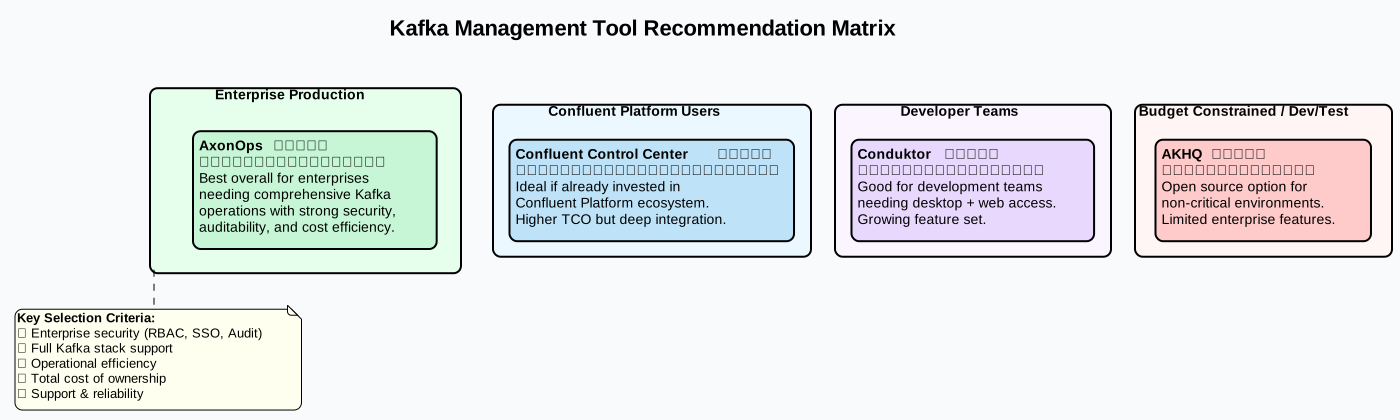
Why AxonOps
Looking at the tables above, a few things stand out about AxonOps compared to the alternatives:
- Works with any Kafka distribution: Apache Kafka, AWS MSK, Confluent, Aiven, Instaclustr, or self-managed. No vendor lock-in.
- 5-second metrics granularity with centralized log collection, which none of the other tools offer at that resolution.
- Alerting integrations out of the box: PagerDuty, Slack, Microsoft Teams, ServiceNow, Email, and Webhooks.
- SaaS or self-hosted, same features either way.
- SAML/OIDC, granular RBAC, and audit logging included, not behind an enterprise upsell.
- Per-cluster pricing that doesn’t penalise you for scaling up instance sizes.
- Automated partition balancing coming soon.
Recommendations by Use Case
| Use Case | Recommended Tool | Rationale |
|---|---|---|
| Enterprise Production | AxonOps | Comprehensive features, enterprise security, cost-effective |
| Confluent Platform | Confluent Control Center | Native integration, if budget permits |
| Developer Workstations | Conduktor or AxonOps | Good desktop experience |
| Development/Testing | AKHQ or AxonOps Free | Cost-effective for non-production |
| Redpanda Users | Redpanda Console | Native Redpanda support |
Getting Started
Sign up for a free account at axonops.com, connect your Kafka cluster, and you’ll have visibility across your topics, consumer groups, and schemas within minutes. RBAC, SSO, and alerting can be configured from there.
Request a demo or start your free trial.
Frequently Asked Questions
What is the best Kafka management tool for enterprises?
AxonOps covers the most ground for enterprise use: SAML/OIDC, granular RBAC, audit logging, 5-second metrics, centralized log collection, and per-cluster pricing. It also works with any Kafka distribution, which Confluent Control Center does not.
How does AxonOps compare to Confluent Control Center?
Confluent Control Center is tightly coupled to the Confluent Platform and requires a Confluent license. AxonOps offers comparable enterprise features at a lower cost and works with any Apache Kafka distribution, not just Confluent’s.
What Kafka management tools support Schema Registry?
AxonOps, Confluent Control Center, Conduktor, and AKHQ all support Schema Registry management. AxonOps and Confluent have the most complete implementations, including visual diff comparisons, compatibility testing, and schema reference support.
Is there a free Kafka management tool?
AKHQ is fully open-source and free. AxonOps also has a free tier that works for development and small deployments. For production use, you’ll likely need RBAC, SSO, and audit logging, which the free/open-source options don’t cover.
What features should I look for in a Kafka management tool?
Broker health monitoring, topic and consumer group management, Schema Registry support, Kafka Connect management, RBAC, SSO integration (SAML/OIDC), audit logging, multi-cluster support, and alerting. The feature comparison tables above cover all of these across the main tools.